






9.10.26
Posted by Alyssa at 11:08PM


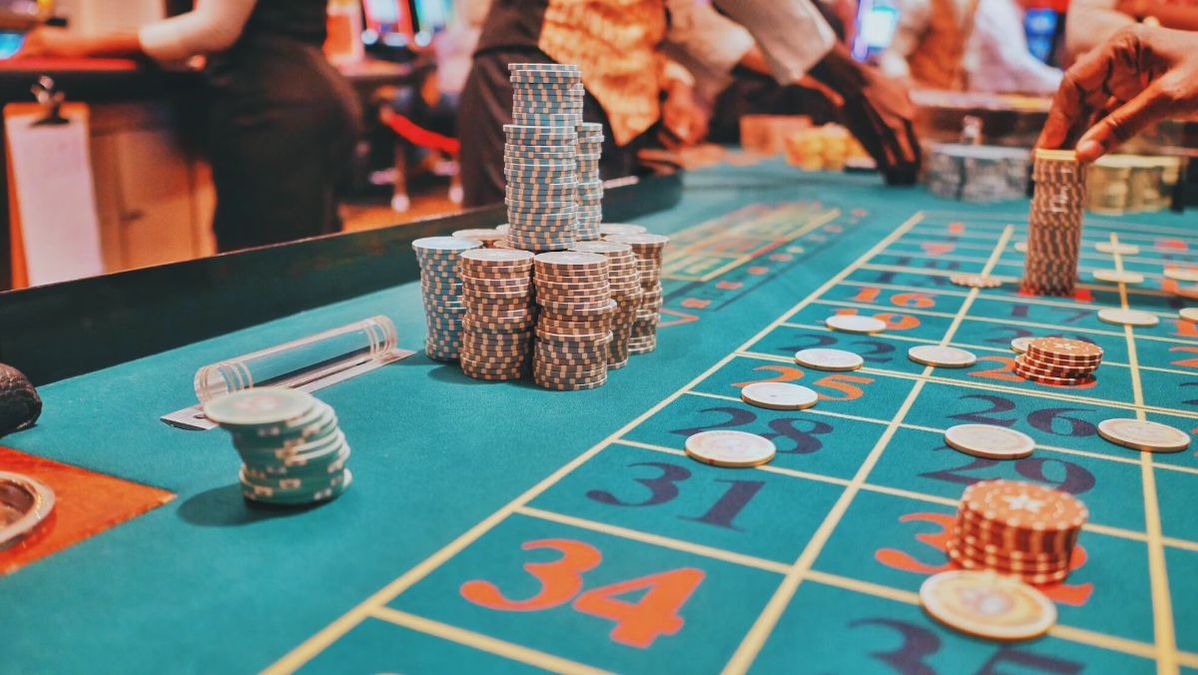
Poker rooms are dedicated areas where card games take place at a group of tables. They may operate as separate rooms or as clearly identified sections within a larger casino, with their own seating and service arrangements.

A room needs a way to organize available tables and communicate with people waiting for a place. Scheduled events can require additional planning for registration, breaks, and the movement of participants between tables.

The experience of a space can change with the time of day and the number of people present. An arrangement that feels spacious during a quiet afternoon may need more active management before an evening event. Observing ordinary patterns of use provides useful information about where additional signs, assistance, or room may be needed.

Information should be presented in a form that suits its audience. Visitors usually need a concise explanation of where to go or what is available, while staff may require more detailed instructions. Keeping these purposes distinct helps avoid crowded signs and makes internal procedures easier to maintain when arrangements change.

There is no single arrangement that suits every destination. The age of the building, available floor area, surrounding transport, and mix of facilities all influence the choices available. A city property and a spacious resort may address similar needs through different layouts, even when they offer broadly comparable services to their visitors.

The room functions as a distinct operational environment, combining shared card equipment with organized seating and clear communication. Looking at the subject in this broader context helps explain why apparently small decisions can matter to several departments and why practical arrangements deserve attention alongside the more visible features of a venue.

9.10.26
Posted by Alyssa at 10:55PM


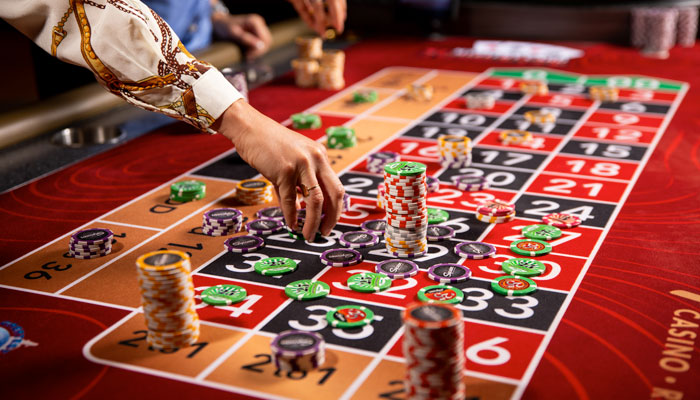
Roulette tables combine a wheel with a marked surface used during the game. The equipment creates a distinctive arrangement within a gaming room, with designated areas for the wheel, participants, and the staff member managing the activity.

The height and position of the table affect visibility and movement around it. Like other specialized furnishings, it also needs suitable lighting, cleaning, and inspection so that its physical condition remains appropriate for regular use.

The relationship between appearance and function is especially important in a frequently used venue. Decorative choices contribute to character, but the same materials and objects must also withstand cleaning, movement, and repeated handling. A design can remain attractive for longer when maintenance requirements are considered before the space begins operating.

Periodic review allows a property to compare its intended arrangements with actual daily use. Useful questions concern access, comfort, waiting, maintenance, and the clarity of information. These observations do not require every space to look the same; they help each area perform its particular role within the larger venue.

The most informative assessment considers the entire journey through the property. A comfortable room can still be difficult to use if it is poorly signposted, and a clear entrance can lead to confusing internal routes. Looking at these connections gives a fuller picture than judging individual features entirely in isolation.

The table can be understood as an example of equipment design in which layout, visibility, and established procedures are closely connected. Over time, changes in visitor patterns and service arrangements may call for adjustments, making regular observation a useful complement to the original design and to the procedures established when a facility first opens.

9.10.26
Posted by Alyssa at 10:44PM


Casino photography can document architecture, interiors, events, and the visual identity of an entertainment property. Images may be produced for a historical record, a design portfolio, or information explaining the facilities available to visitors.

Reflective surfaces, artificial lighting, and movement present practical challenges for photographers. Planning the time and position of a photograph can help show a space clearly while avoiding disruption to staff and other people using it.

Public entertainment properties bring together people with different expectations and levels of familiarity with the building. Some visitors follow a planned schedule, while others explore the available facilities. Clear information and recognizable service points help both groups make practical decisions without needing to understand the internal organization of the property.

Routine observation is an important part of managing this environment. Staff can note recurring questions, worn surfaces, difficult routes, or delays that are not obvious from a drawing. These observations provide a practical starting point for small improvements and help distinguish a temporary inconvenience from an issue that appears repeatedly.

Temporary conditions can reveal details that are less noticeable during routine operation. A busy performance, a maintenance closure, or a change in weather may alter how people use the building. Reviewing these situations helps teams prepare practical alternatives and keep their explanations consistent when the normal arrangement is unavailable.

A useful photograph communicates the character of a place while remaining attentive to the context in which the image is made. The details may differ between properties, but examining how people use the space provides a consistent way to understand its purpose and identify the everyday connections that support the complete visitor experience.

9.10.26
Posted by Alyssa at 10:18PM


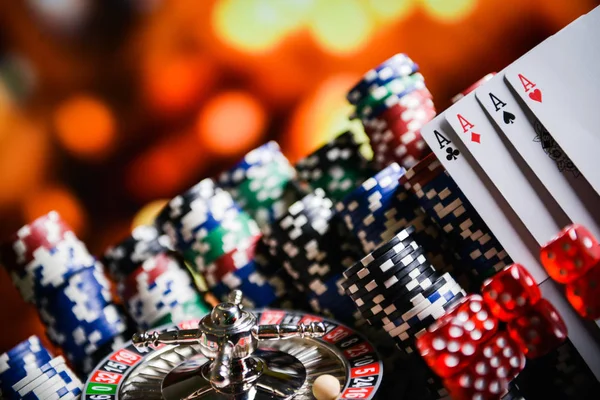
Casino playing cards are pieces of game equipment that must be easy to read and handle. Their design includes recognizable suits, ranks, and card backs, while the choice of material affects durability and the feel of everyday use.

Storage, replacement, and inspection procedures help staff keep supplies organized. Different activities may require different quantities of cards, so equipment planning forms part of preparing a table or room for its scheduled operation.

The experience of a space can change with the time of day and the number of people present. An arrangement that feels spacious during a quiet afternoon may need more active management before an evening event. Observing ordinary patterns of use provides useful information about where additional signs, assistance, or room may be needed.

The size of a property influences how responsibilities are divided. A smaller venue may use a compact team across several functions, while a larger complex can support specialized departments. In either case, visitors encounter the combined result, so communication between the people delivering different services remains an important practical concern.

There is no single arrangement that suits every destination. The age of the building, available floor area, surrounding transport, and mix of facilities all influence the choices available. A city property and a spacious resort may address similar needs through different layouts, even when they offer broadly comparable services to their visitors.

Although a deck is a relatively small object, its design and condition influence how smoothly the surrounding activity can proceed. Looking at the subject in this broader context helps explain why apparently small decisions can matter to several departments and why practical arrangements deserve attention alongside the more visible features of a venue.

9.10.26
Posted by Alyssa at 9:19PM


Casino theatres are performance venues located within casino properties or associated entertainment complexes. Their programs may include concerts, comedy, stage productions, or other scheduled events that attract audiences independently of the gaming facilities nearby.

A theatre requires attention to stage visibility, audience seating, backstage access, and the movement of people before and after a show. Its daily operating rhythm can differ considerably from the continuous activity of an adjacent gaming room.

Public entertainment properties bring together people with different expectations and levels of familiarity with the building. Some visitors follow a planned schedule, while others explore the available facilities. Clear information and recognizable service points help both groups make practical decisions without needing to understand the internal organization of the property.

Information should be presented in a form that suits its audience. Visitors usually need a concise explanation of where to go or what is available, while staff may require more detailed instructions. Keeping these purposes distinct helps avoid crowded signs and makes internal procedures easier to maintain when arrangements change.

The most informative assessment considers the entire journey through the property. A comfortable room can still be difficult to use if it is poorly signposted, and a clear entrance can lead to confusing internal routes. Looking at these connections gives a fuller picture than judging individual features entirely in isolation.

Coordinating performances with the surrounding property helps the theatre retain its own identity without creating confusion for arriving audiences. The details may differ between properties, but examining how people use the space provides a consistent way to understand its purpose and identify the everyday connections that support the complete visitor experience.

« Previous PageNext Page »